bluename
 succulent care for Beginners: Your Essential Seasonal Checklist
Are you a new succulent parent, thrilled by your plant’s beauty but secretly worried about keeping it alive through the year? You’re not alone. Many beginners find that what worked in spring fails miserably in winter, leading to frustration and the dreaded “mushy” or shriveled plant. The secret isn’t just watering or sunlight—it’s understanding that succulent care changes with the seasons. This guide provides a clear, actionable seasonal checklist to take the guesswork out of caring for succulents year-round, ensuring your plants not only survive but thrive in every condition.
Understanding Succulent Dormancy: The Key to Seasonal Care

Before diving into the checklist, one concept is crucial: dormancy. Unlike many houseplants, most succulents have distinct growth and rest periods, often triggered by temperature and light changes. Simply put, they “sleep” to conserve energy during extreme heat or cold. There are two main types:
- Summer Dormant: Some (like many Aeoniums) slow down in peak summer heat.
- Winter Dormant: Most common varieties (like Echeverias and Sedums) rest during cooler, shorter days.
Your care must adapt to these cycles. Treating a dormant succulent as if it’s actively growing is a common cause of overwatering and root rot.
Your Complete Seasonal Succulent Care Checklist
Follow this season-by-season guide to align your routine with your plant’s natural rhythm.
Spring: The Season of Growth and Revival
As daylight increases and temperatures warm, your succulents wake up. This is their prime growing time.
- Light: Gradually move plants to brighter light. A south or east-facing window is ideal. Introduce outdoor sun slowly to prevent sunburn—start with morning light only.
- Watering: Begin increasing watering frequency. The golden rule: always “Soak and Dry.” Water thoroughly until it drains from the hole, then let the soil dry out completely before watering again. Stick your finger in the soil to check.
- Feeding: Apply a balanced, water-soluble fertilizer diluted to half-strength. Once at the start of the season is often enough. As expert Dr. Laura Greene notes, “Over-fertilizing succulents leads to weak, leggy growth. Less is always more.”
- Maintenance: This is the best time for repotting if roots are crowded. Use a fresh, well-draining cactus/succulent mix. You can also start propagating leaves or cuttings.
Summer: Navigating Heat and Sun
Care in summer depends on your climate and the succulent type.
- For Hot, Dry Climates & Winter-Dormant Succulents:
- Light: Provide bright but indirect light. Use shade cloth or place in dappled afternoon shade to prevent scorching.
- Watering: Water deeply but less frequently than in spring, always waiting for the soil to dry. Early morning watering is best to avoid evaporation and leaf burn.
- Ventilation: Ensure excellent air circulation to deter pests and fungus.
- For Humid Climates: Reduce watering significantly. Humidity keeps soil moist longer. Prioritize airflow to combat mold and rot.
Fall: Preparing for the Slow Down
Days shorten and temperatures drop, signaling plants to prepare for dormancy.
- Light: Maximize sunlight exposure. Bring outdoor plants inside before nighttime temps drop below 50°F (10°C).
- Watering: Start to space out watering sessions progressively. Let the soil stay dry for longer periods between drinks.
- Feeding & Repotting: Stop all fertilization. Avoid repotting unless absolutely necessary, as plants need energy for rooting.
- Pest Check: Inspect thoroughly for mealybugs or aphids before bringing plants indoors. Treat with isopropyl alcohol or insecticidal soap.
Winter: The Rest Period
Growth nearly stops. Your mantra should be “neglect with care.”
- Light: Provide the brightest spot possible—a south-facing window is key. Rotate pots for even growth. Consider a grow light if natural light is poor.
- Watering: Water sparingly, only to prevent severe wrinkling. For many indoor succulents, watering once a month or even less is sufficient. Always ensure the soil is bone-dry first.
- Temperature: Keep away from cold drafts and heating vents. Most prefer temperatures between 50-60°F (10-15°C) at night.
- Hold Back: Do not water, fertilize, or propagate. Let them rest.
Advanced Tips for Year-Round Success
Beyond the seasonal basics, these practices build resilience.
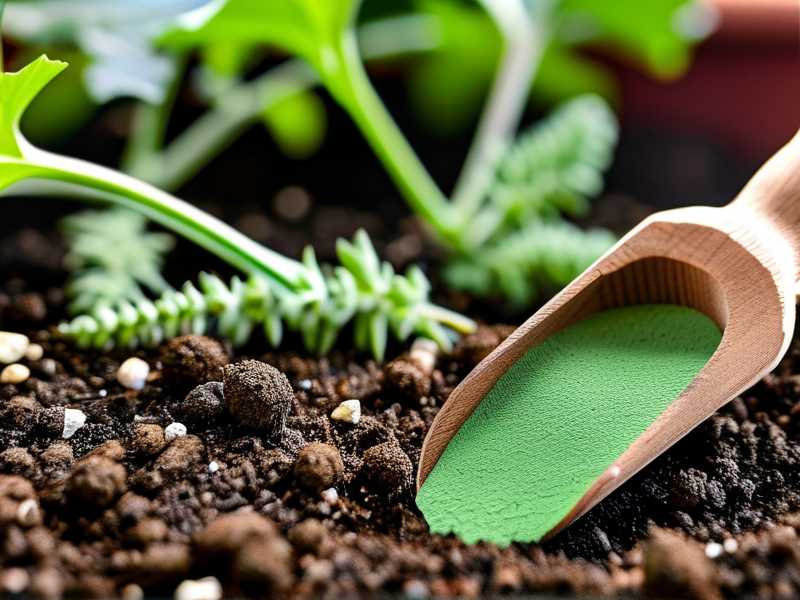
- The Right Soil is Non-Negotiable: A well-draining mix is your best defense against rot. A 2023 indoor gardening survey found that over 70% of succulent failures were linked to poor drainage. Mix potting soil with perlite or pumice (a 50:50 ratio is a good start).
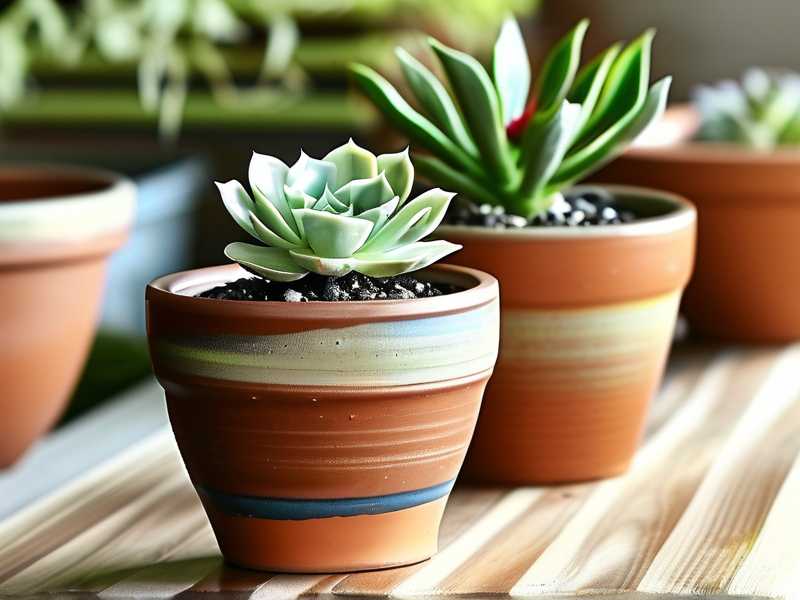
- Choosing the Right Pot: Always use a pot with a drainage hole. Terracotta pots are excellent as they wick away excess moisture.
- Observation Over Schedule: Don’t water on a fixed day. Observe your plants. Slight leaf wrinkling often means thirst; mushy, translucent leaves mean overwatering.
Frequently Asked Questions
How do I know if my succulent is getting enough light? Signs of insufficient light include stretching or “etiolation,” where the stem grows long and the leaves space out. The plant leans heavily toward the light source. Provide brighter light or supplement with a grow light.
Can I keep my succulents outdoors all year? This depends entirely on your hardiness zone and the plant type. Most popular soft succulents cannot tolerate frost. If you live in an area with freezing winters, they must be brought indoors. Some cold-hardy varieties like Sempervivum can survive freezing temperatures outdoors.
Why are the bottom leaves of my succulent dying? It’s normal for the oldest, bottom leaves to dry up and fall off as the plant grows. This is part of the natural growth process. However, if multiple leaves across the plant are turning yellow, mushy, or black, it is likely a sign of overwatering and requires immediate attention.
Mastering succulent care for beginners hinges on embracing the seasonal rhythm of these resilient plants. By shifting your approach from a static routine to this dynamic seasonal checklist—watering less in winter, providing more light in spring, and shielding from harsh summer sun—you work with nature, not against it. Start by observing your plants closely this season, adjust one habit at a time, and watch your succulent collection flourish through every turn of the calendar.